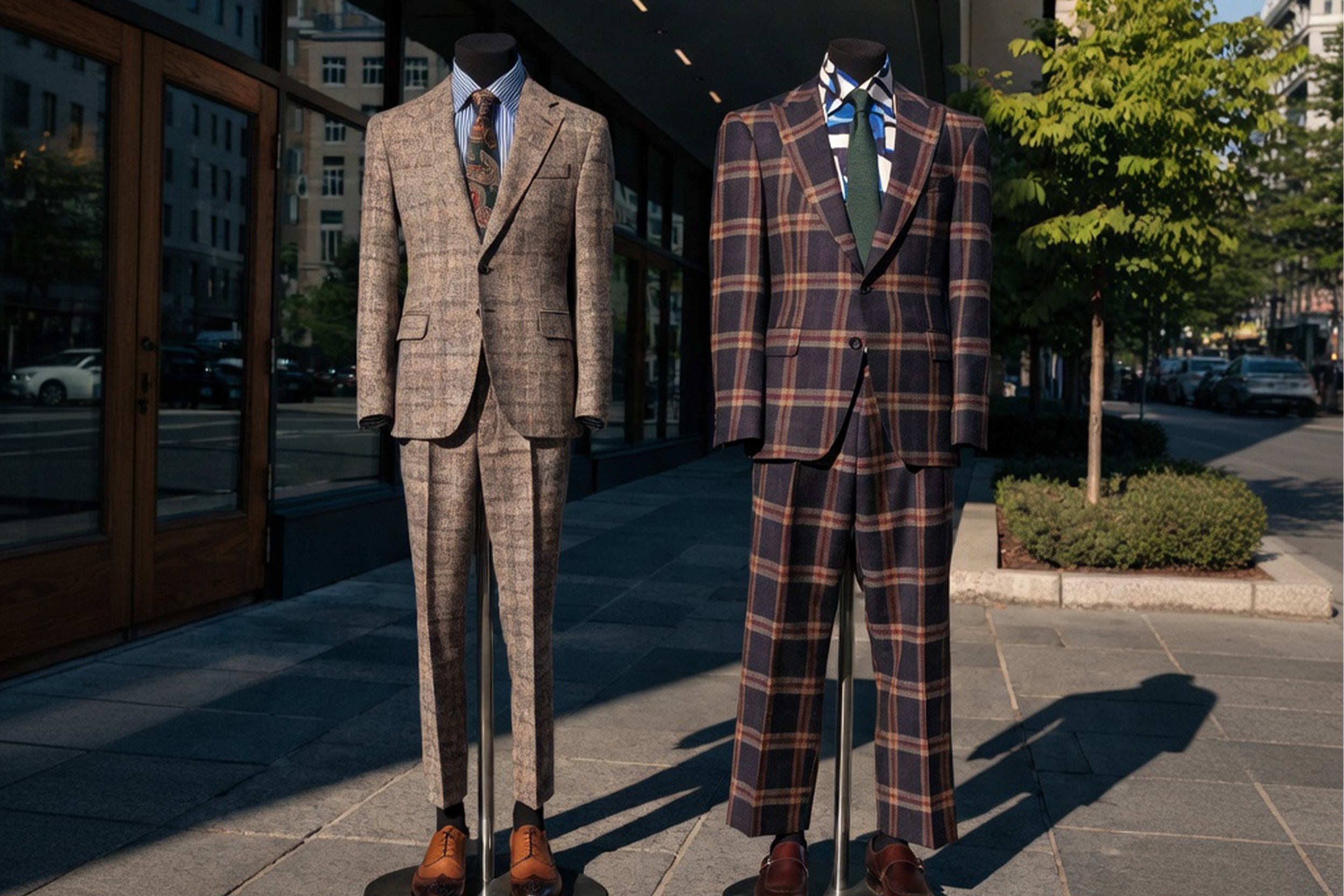
How to Build an Export-Focused Formalwear Brand That Wins Globally
The global appetite for sharp tailoring hasn’t faded—it’s just shifted online and across borders. If you’re running a Shopify store, **building an export-focused formalwear brand** is no longer a far-off ambition; it’s a concrete growth strategy. With hybrid work driving demand for versatile blazers and destination weddings fueling suit sales, the opportunity to sell suits, shirts, and ties internationally has never been more tangible.
But scaling formalwear exports takes more than listing products in multiple currencies. It requires understanding market demand, tailoring your assortment, and getting the logistics right. Here’s your complete, expert-backed guide to doing just that.
## Understanding the Global Demand for Formalwear
Before you pick your target markets, you need to know where the dollars are. According to industry research, the global formalwear market continues to grow steadily, driven by rising disposable incomes in Asia-Pacific and a sustained cultural emphasis on occasionwear in the Middle East and Europe. Grand View Research - Formal Wear Market Size Report]
Key takeaways for an export-focused strategy:
- **The Asia-Pacific region** is projected to be the fastest-growing export market for formalwear, thanks to booming ecommerce penetration.
- **North America and Western Europe** remain the highest-value markets, with customers willing to pay a premium for quality tailoring and sustainable fabrics.
- **Cultural nuances matter**: three-piece suits dominate in the UK, while lightweight linen blazers are essential for Middle Eastern and Southeast Asian markets.
A deep dive into global apparel trade flows also reveals that cross-border ecommerce in fashion is outpacing overall trade growth, making this a prime moment to establish your brand overseas. WTO - World Trade Statistical Review]
## Key Strategies for an Export-Focused Formalwear Brand
### 1. Curate Your Product Line for International Buyers
Don’t simply push your domestic bestsellers. Analyze weather patterns, wedding seasons, and business dress codes per region. For example, stock mid-weight wool suits in time for autumn in Europe, and offer wrinkle-resistant dress shirts for tropical markets. Our [Premium Travel Suits Collection] already includes anti-crease technology ideal for long-haul shipments—a feature worth highlighting in your cross-border marketing.
### 2. Nail the Pricing and Shipping Equation
High return rates kill export margins in formalwear. Combat this by offering detailed fit guides, video consultations, and clear size mapping. Shipping partnerships matter: use regional fulfillment centers or reliable courier services to offer landed-cost transparency. If you ship from a single location, highlight products with a forgiving cut or adjustable features. Our [Customizable Fit Dress Shirts] have been a top-seller in export markets precisely because they reduce sizing complaints.
### 3. Localize Your Brand Story, Not Just the Price Tag
Formalwear is deeply personal. A groom in Mexico wants something different in tone and fabric than an executive in Japan. Your Shopify store must adapt content—lookbooks, product descriptions, and reviews—to reflect regional aesthetics while staying true to your brand DNA. Invest in professional translation and, where possible, feature user-generated content from customers in those target countries.
## Optimizing Your Shopify Store for International Sales
Shopify’s international selling tools have matured rapidly. To truly build an export-focused formalwear brand, you should activate:
- **Shopify Markets**: Manage local currencies, payment methods, and duties in a single dashboard.
- **Multi-language storefronts**: Translate product pages and checkout for at least your top three target languages.
- **Global payment gateways**: Ensure you accept the preferred payment method in each region, whether it’s iDEAL in the Netherlands or GrabPay in Singapore.
The 2026 edition of Shopify’s own global commerce report underscores that stores using multiple languages and local payment options see a double-digit uplift in conversion rates. [Shopify Global Ecommerce Report]
## Conclusion
Building an **export-focused formalwear brand** is a multi-layered effort—from choosing the right fabrics for each climate to fine-tuning your Shopify store for international buyers. But the reward is a resilient, diversified business that doesn’t rely on one market alone. Start with your product curation, invest in clear sizing communication, and let the technology do the heavy lifting. The global stage is waiting for your tailoring.
## FAQ
**Q: Which countries are the best export markets for formalwear right now?**
A: The United States, United Kingdom, and Germany remain strong high-value markets, while the UAE and Singapore offer fast-growing demand driven by weddings and corporate events. Mexico and Brazil are also emerging hotspots for affordable luxury suits.
**Q: How can I reduce return rates when exporting formal clothing?**
A: Provide detailed video fit guides, size recommendation quizzes, and clear fabric descriptions. Consider offering a “custom sizing” option at a premium to virtually eliminate returns, and always include country-specific size conversion charts.
**Q: Do I need a separate Shopify store for each country?**
A: Not at all. With Shopify Markets, you can run a single store while localizing currency, language, and payment methods. This is far more manageable and helps consolidate SEO authority.
## Ready to Dress the World?
Start by refining your product lineup for international appeal. Explore our [Full Formalwear Collection]and see which styles already have cross-border potential—then optimize your store and shipping to turn browsers into lifelong global customers.